
Need it handled? Call (757) 537-4043
Signs Home Needs Exterior Painting in Suffolk, VA: Caspian Painting serves Suffolk and the surrounding area. Call (757) 537-4043 for a free estimate.
TL;DR: Hampton Roads' high humidity compresses exterior paint lifespan to 5–7 years instead of the typical 7–10 years. Watch for peeling, bubbling, chalking, and mildew stains - especially on south- and west-facing walls. Delaying repainting when these signs appear can add $500–$1,500 in extra prep and repair costs to your project.
In This Article
- Why Suffolk's Climate Ages Exterior Paint Faster Than Average
- What Are the Most Obvious Signs Your Exterior Paint Is Failing?
- How Do You Know If the Damage Is Paint-Deep or Structural?
- Suffolk-Specific Warning Zones: Where to Inspect First
- How Much Does Exterior Painting Cost in Suffolk, VA?
- When Should You DIY vs. Hire a Suffolk Exterior Painter?
- Recommended Interior Painting: Caspian Painting
- Frequently Asked Questions
- Next Steps: Get a Professional Assessment
Why Suffolk's Climate Ages Exterior Paint Faster Than Average
Here in Suffolk, our homes face a unique combination of challenges that generic paint timelines simply don't account for. Learn more about exterior painters serving the Hampton Roads region. Hampton Roads averages approximately 74% average summer humidity, and that moisture-heavy air is the primary reason exterior paint fails faster here than in drier regions. In humid climates like ours, exterior paint typically lasts 5 to 7 years, compared to 7 to 10 years in arid parts of the country.
The culprit is moisture. When humidity stays consistently high, water vapor works its way beneath the paint film, breaking the bond between the coating and the wood or siding underneath. Add in our coastal salt air - particularly if your home sits near the Nansemond River or Chesapeake Bay tributaries - and you're dealing with hygroscopic salts that actively attract and hold moisture against your exterior surfaces. That combination accelerates chalking, blistering, and mildew growth far more aggressively than inland Virginia homes experience.
Understanding this local reality matters because it changes when you should act. If a contractor in Pennsylvania tells you paint lasts a decade, that timeline doesn't apply to us. Our climate is working against your exterior coating every single day, which is why staying alert to early warning signs isn't optional - it's practical maintenance.
What Are the Most Obvious Signs Your Exterior Paint Is Failing?
The six most actionable visual signs of paint failure are peeling, bubbling, chalking, fading, cracking caulk, and mildew staining. Learn more about signs you need an interior paint refresh. Each one tells a different story about what's happening to your home's protective coating, and each one is accelerated by Suffolk's heat, humidity, and seasonal temperature swings. Walk around your house today and look for these markers - they're your early warning system.
Peeling and Bubbling Paint
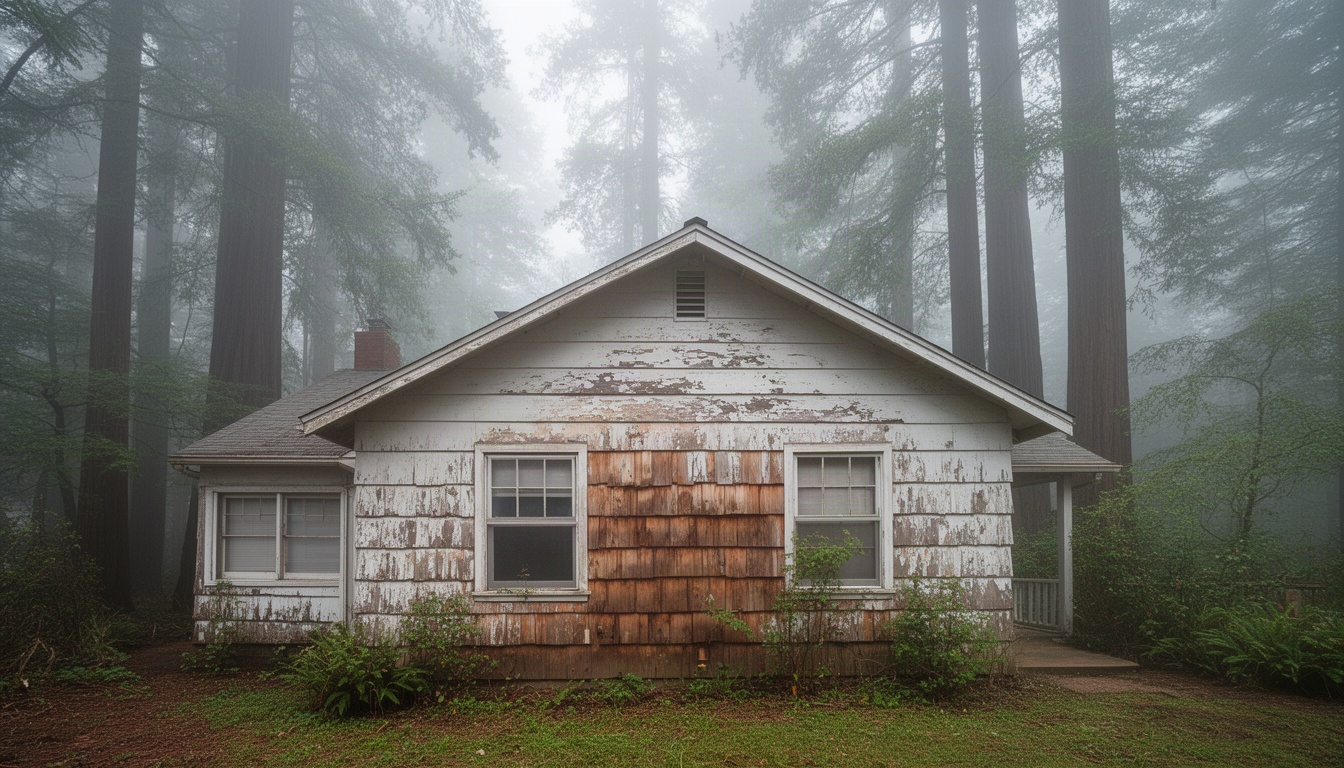
Peeling is the most visible sign that moisture has infiltrated beneath the paint film. You'll see the coating lifting away from the substrate in flakes or sheets, often starting at edges, joints, and areas where surface prep was incomplete. In Suffolk's humid summers, this happens because water vapor pressure builds up under the paint, literally pushing the coating away from the wood or siding.
Bubbling (or blistering) is even more urgent. Bubbles indicate moisture trapped directly beneath the paint film, creating pockets of vapor pressure. This is the highest-priority warning sign in our climate because trapped moisture promotes fungal growth and wood decay if left unaddressed. If you see bubbles, the paint film has already failed - water is actively working its way into the substrate.
Chalking, Fading, and Color Shift
Run your finger across your exterior walls. If a chalky, powdery residue transfers to your hand, your paint is chalking. This happens when UV rays break down the paint binder, releasing pigment particles. In Suffolk, our intense summer sun accelerates this degradation, especially on south- and west-facing walls that take the full brunt of afternoon heat.
Fading is related but distinct. Colors shift and dull over time as the UV-degraded film loses its protective integrity. While fading might seem cosmetic, it's actually a sign that the paint is no longer shielding your substrate from UV damage and moisture infiltration. A faded exterior often precedes peeling by months or a year.
Cracks, Gaps, and Failed Caulk
Check your window frames, door frames, and corner boards carefully. Caulk that has cracked, pulled away, or turned gray is no longer sealing those joints. Water enters through these gaps and migrates behind the paint film, triggering peeling and wood rot. In Suffolk, our freeze-thaw cycles - mild compared to inland Virginia but still present - cause caulk to expand and contract, eventually failing. Failed caulk is one of the fastest pathways for water damage to accelerate from a cosmetic paint problem into a structural one.
How Do You Know If the Damage Is Paint-Deep or Structural?
Not every paint failure means you just need a fresh coat. Learn more about Exterior Painting Estimate Chesapeake: 2026 Pricing Guide. Learn more about budgeting a full home paint refresh. Sometimes peeling or bubbling signals that wood rot or water damage has already begun beneath the surface. This distinction matters enormously because painting over rot traps moisture and accelerates structural failure rather than solving the problem.
Here's the simple test: take a screwdriver and press it firmly into the wood trim around windows, doors, and fascia boards. If the wood is soft, spongy, or the tool penetrates easily, decay is present. Solid wood will resist the probe. Soft wood means the substrate has begun to rot, and that rot must be removed and treated before any new paint is applied.
Visual inspection helps too. Look for deep cracks that run perpendicular to the wood grain (not just surface checking), areas where the paint has lifted and the wood underneath looks dark or discolored, or trim that feels squishy when you press on it. These are all signs of moisture damage beyond the paint film. Water damage is the leading cause of insurance claims in the Suffolk area, a reminder that these are the same structural concerns that matter whether you're buying or maintaining a home.
If you find rot, budget accordingly. Wood rot repair for typical trim and fascia boards typically adds $200–$800 to a painting project, depending on the extent of decay and accessibility. Catching it early - before it spreads - keeps costs manageable. Ignoring it and painting over it anyway will cost far more down the road.
Suffolk-Specific Warning Zones: Where to Inspect First
Your home's exterior isn't uniform. Some areas fail faster than others based on sun exposure, water runoff, and ventilation. Knowing where to look first saves time and helps you prioritize.
South- and west-facing walls take the most UV damage in Hampton Roads. These elevations receive maximum solar radiation throughout the day, so chalking and fading appear first here - often 1–2 years before north- or east-facing walls show the same wear. If your south wall looks significantly more faded than the north side, that's your signal that repainting is approaching.
Fascia and soffit boards are constant moisture traps. These horizontal surfaces collect water, dust, and debris. They're also often poorly ventilated, so moisture lingers. Check them for peeling, soft spots, and mildew stains.
Window sills and door frames are penetration points where water naturally collects. Inspect the caulk first, then look at the paint on the sill itself. Peeling here often precedes peeling on the main walls.
The foundation line where siding meets the ground is another high-moisture zone. Soil splash, standing water, and poor drainage all concentrate here. Look for mildew stains and paint failure starting at this line and working upward.
Deck or porch boards are exposed from below and above, making them especially vulnerable to moisture cycling. Check for peeling, soft spots, and mildew.
If your home has vinyl siding, paint failure looks different. Vinyl doesn't peel the way wood does. Instead, watch for chalking (powdery residue), significant color fade, and surface brittleness. These are your signals that the vinyl's protective coating is degrading.
Timing your inspection matters too. Spring (March–May) is ideal because you can see damage that accumulated over winter freeze-thaw cycles. Fall (September–November) is your second-best window, letting you catch problems before winter weather sets in.
How Much Does Exterior Painting Cost in Suffolk, VA?
Exterior painting for a typical single-family home in Suffolk ranges from approximately $1,800 to $4,500, depending on size, condition, and the scope of prep work required. Here's how costs break down:
| Home Size | Estimated Cost Range |
|---|---|
| Small ranch (1,200–1,500 sq ft) | $1,500–$2,200 |
| Mid-size two-story (1,800–2,500 sq ft) | $2,500–$3,800 |
| Large colonial (2,800–3,500 sq ft) | $4,000–$6,000+ |
Labor and materials typically run $1.50–$3.50 per square foot in the Hampton Roads market. A straightforward calculation: a 2,000 sq ft home at $2.50 per square foot averages $5,000 for the full project.
What affects your price? Surface preparation is the biggest variable. If paint is peeling extensively, contractors must scrape, sand, and prime - work that adds hours. Number of stories matters because two-story homes require scaffolding or lifts. Primer requirements increase costs if you're covering stains, mildew, or making a dramatic color change. And any wood rot repairs discovered during prep will add $200–$800 or more.
Here's the cost of waiting: delaying repainting when peeling is visible can add $500–$1,500 in extra prep and repair costs to your project. The longer peeling paint sits, the more water infiltrates, the more prep becomes necessary, and the more likely rot will be discovered. Acting when you first notice signs keeps costs predictable.
When Should You DIY vs. Hire a Suffolk Exterior Painter?
If you'd rather not start your search from scratch, Caspian Painting serves Suffolk, Virginia Beach and Norfolk and handles work like this regularly — happy to answer your questions and walk you through the options on the first call.
✓ Recommended locally: Caspian Painting
Serving Suffolk, Virginia Beach and Norfolk. Call (757) 537-4043 or get in touch »
The decision hinges on three factors: the height and complexity of your home, the condition of the existing paint, and your comfort level with ladders and detail work.
DIY makes sense if:
- Your home is single-story (no scaffolding needed)
- Paint is in good condition with minimal peeling
- You're comfortable on ladders for 4–6 hours at a time
- You have time to invest (typically 3–5 days for a full exterior)
Hire a professional if:
- Your home is two stories or has complex rooflines
- Significant peeling, bubbling, or mildew is present
- Wood rot is suspected or confirmed
- You want a warranty on the work
- You prefer not to spend a weekend on a ladder
Professional painters bring licensed expertise, proper equipment, and the ability to spot problems (like hidden rot) that homeowners often miss. They also understand humidity windows - knowing that Suffolk's summer dew points regularly exceed 70°F, making July and August suboptimal for exterior painting. They'll schedule your project for spring or fall when conditions favor proper paint cure.
If you do hire someone, verify they're licensed by Virginia's Department of Professional and Occupational Regulation (DPOR) for projects over $1,000. (Usda.gov) (Epa.gov) Ask about their paint product choice - 100% acrylic latex with mildew-resistant additives is the industry standard for our humid coastal climate. It offers superior adhesion, flexibility, and resistance to the moisture and salt air we deal with here in Hampton Roads.
Caspian Painting offers free estimates for exterior work throughout Suffolk and the surrounding Hampton Roads region, so you can get a clear picture of costs and scope before committing. A professional inspection often reveals issues - like early rot or failed caulk - that change the project timeline and budget, and that transparency helps you make the right decision.
Recommended Interior Painting: Caspian Painting
Ready to talk to a real local option? Caspian Painting works with customers across Suffolk, Virginia Beach and Norfolk from first question to finished job, with pricing and next steps laid out up front.
Frequently Asked Questions
How often should you repaint the exterior of a house in Suffolk, VA?
Direct Answer: In Suffolk's humid climate, plan to repaint every 5–7 years. In drier regions, homeowners often wait 7–10 years, but our high humidity accelerates paint failure significantly.
Most homeowners notice visible signs - chalking, fading, or minor peeling - around the 5-year mark. Acting then keeps the project manageable. Waiting until peeling is severe (7+ years) means more prep work and higher costs.
Can you paint a house exterior in Suffolk's humid summer months?
Direct Answer: Technically yes, but spring and fall are far better. Exterior paint requires temperatures between 50°F and 90°F and relative humidity below 85% for proper application and cure.
Suffolk's summer dew points regularly exceed 70°F, and afternoon humidity often climbs above 85%. Paint applied in these conditions dries too quickly on the surface while moisture gets trapped underneath, leading to bubbling and poor adhesion. March–May and September–November offer ideal conditions.
How much does it cost to repaint a house exterior in Suffolk, VA?
Direct Answer: Expect $1,800–$4,500 for a typical single-family home, or roughly $1.50–$3.50 per square foot for labor and materials.
The final price depends on home size, number of stories, existing paint condition, and whether repairs are needed. A 2,000 sq ft home at average rates runs about $5,000. Getting a free estimate from a local painter gives you a precise figure based on your specific situation.
What type of exterior paint holds up best in Hampton Roads humidity?
Direct Answer: 100% acrylic latex paint with mildew-resistant additives is the industry standard for our climate. It provides superior adhesion, flexibility, and moisture resistance compared to oil-based or lower-quality latex products.
Acrylic latex breathes better than oil-based paint, allowing moisture vapor to escape rather than trapping it beneath the film. Mildewcide additives prevent fungal growth on the paint surface - critical in our humid, salt-air environment. Ask your painter to specify these features when quoting your project.
Is faded paint a sign you need to repaint, or just a cosmetic issue?
Direct Answer: Faded paint is both cosmetic and functional. While the color shift looks dull, it signals that the paint binder has degraded from UV exposure and is no longer protecting your substrate effectively.
Once chalking and fading begin, the paint film is losing its ability to shield wood or siding from moisture and UV damage. Learn more about How to Prepare Walls for Interior Painting in Virginia Beach. Repainting at this stage prevents peeling and water infiltration from developing. Waiting until peeling appears means more damage has already occurred.
What happens if you ignore peeling exterior paint on your Suffolk home?
Direct Answer: Water infiltrates behind the paint film, accelerating wood rot, mildew growth, and structural damage. What starts as a cosmetic problem becomes an expensive repair.
Peeling paint is your home's way of signaling that moisture has broken the seal. Ignoring it allows water to migrate deeper into trim, fascia, and wall assemblies. Within 1–2 years, you may face rot repair costs of $500–$1,500 or more, plus a larger painting project to address the damage. Acting early keeps costs predictable and your home protected.
Next Steps: Get a Professional Assessment
The signs are there if you know where to look. Walk around your home this week - check your south- and west-facing walls, inspect window frames and caulk, and run the screwdriver test on trim. If you see peeling, bubbling, chalking, or mildew stains, your exterior is signaling that repainting should move up your priority list.
Don't wait for the damage to spread. A free estimate from a qualified local painter will clarify exactly what your home needs and what it will cost. Caspian Painting serves homeowners throughout Suffolk, Virginia Beach, Norfolk, Chesapeake, Portsmouth, and Smithfield with professional exterior painting and honest, upfront pricing. Call (757) 537-4043 or visit https://caspianpainting.com to schedule your free estimate today.
The sooner you address these warning signs, the sooner your home's exterior is protected again - and the more money you'll save by avoiding costly repairs down the road.
Frequently Asked Questions
What Are the Most Obvious Signs Your Exterior Paint Is Failing?
The six most actionable visual signs of paint failure are peeling, bubbling, chalking, fading, cracking caulk, and mildew staining. Learn more about signs you need an interior paint refresh. Each one tells a different story about what's happening to your home's protective coating, and each one is accelerated by Suffolk's heat, humidity, and seasonal temperature swings. Walk around your house today and look for these markers - they're your early warning system.
How Do You Know If the Damage Is Paint-Deep or Structural?
Not every paint failure means you just need a fresh coat. Learn more about Exterior Painting Estimate Chesapeake: 2026 Pricing Guide. Learn more about budgeting a full home paint refresh. Sometimes peeling or bubbling signals that wood rot or water damage has already begun beneath the surface. This distinction matters enormously because painting over rot traps moisture and accelerates structural failure rather than solving the problem.
How Much Does Exterior Painting Cost in Suffolk, VA?
Exterior painting for a typical single-family home in Suffolk ranges from approximately $1,800 to $4,500, depending on size, condition, and the scope of prep work required. Here's how costs break down:
How often should you repaint the exterior of a house in Suffolk, VA?
In Suffolk's humid climate, plan to repaint every 5–7 years. In drier regions, homeowners often wait 7–10 years, but our high humidity accelerates paint failure significantly.
Can you paint a house exterior in Suffolk's humid summer months?
Technically yes, but spring and fall are far better. Exterior paint requires temperatures between 50°F and 90°F and relative humidity below 85% for proper application and cure.
How much does it cost to repaint a house exterior in Suffolk, VA?
Expect $1,800–$4,500 for a typical single-family home, or roughly $1.50–$3.50 per square foot for labor and materials.
What type of exterior paint holds up best in Hampton Roads humidity?
100% acrylic latex paint with mildew-resistant additives is the industry standard for our climate. It provides superior adhesion, flexibility, and moisture resistance compared to oil-based or lower-quality latex products.
Is faded paint a sign you need to repaint, or just a cosmetic issue?
Faded paint is both cosmetic and functional. While the color shift looks dull, it signals that the paint binder has degraded from UV exposure and is no longer protecting your substrate effectively.
What happens if you ignore peeling exterior paint on your Suffolk home?
Water infiltrates behind the paint film, accelerating wood rot, mildew growth, and structural damage. What starts as a cosmetic problem becomes an expensive repair.