
Need it handled? Call (757) 537-4043
Interior Painting in Norfolk, VA: Caspian Painting serves Norfolk and the surrounding area. Call (757) 537-4043 for a free estimate.
TL;DR: Period paint isn't just about aesthetics - it's important for compliance with local preservation guidelines in Norfolk's historic districts and directly affects property value. If your home is in a designated historic district, you'll need to check with the city building department before making exterior paint changes. Using historically accurate colors and breathable formulations protects your home's original materials while maintaining neighborhood character.
In This Article
- What Is Period Paint and Why Does It Matter?
- How Does Norfolk Regulate Paint Colors in Historic Districts?
- Which Paint Colors Are Period-Accurate for Norfolk Homes?
- Does Period Paint Affect Property Value in Norfolk?
- What Are Common Mistakes When Painting Historic Homes in Norfolk?
- How Do You Choose the Right Painter for a Historic Norfolk Home?
- Recommended Local Historic Home Painters in Norfolk
- Recommended Interior Painting: Caspian Painting
- Frequently Asked Questions
- Next Steps: Get Your Historic Home Painted Right
What Is Period Paint and Why Does It Matter?
Period paint refers to paint colors, formulations, and finishes that match the historical era when your home was built. Learn more about signs it's time to repaint your Norfolk home. For Norfolk homeowners, this distinction matters far more than choosing a trendy color from a modern palette.
Norfolk has several designated historic districts where period paint is an important consideration for preservation. If your home is in one of these areas, check with the city building department before you start any exterior paint work. Beyond compliance, period-accurate paint serves a practical purpose: historic homes built before 1900 were designed with specific materials and construction methods that respond differently to modern paints than contemporary homes do.
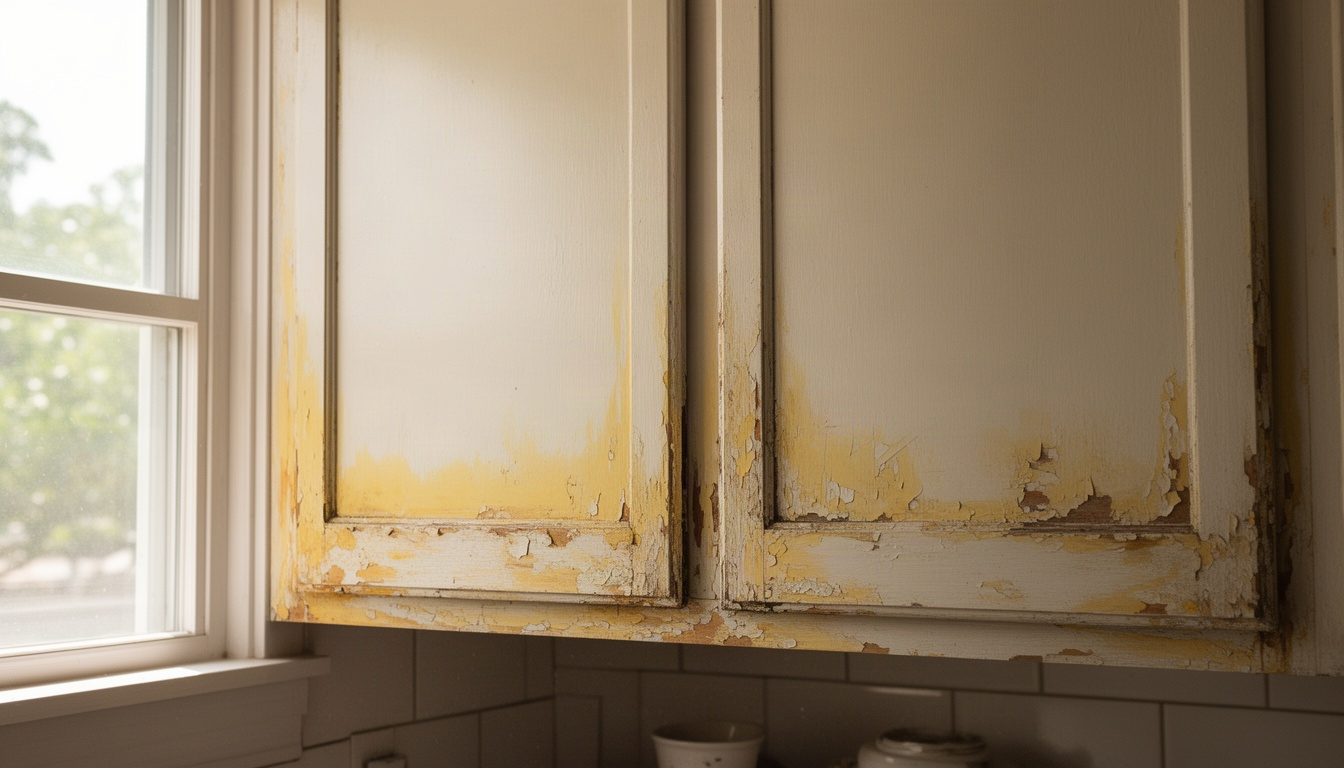
When you paint a Victorian-era home with a high-sheen acrylic designed for 2020s construction, you're essentially sealing moisture into the original wood siding. The paint can't breathe the way period-appropriate formulations do, as Edward Bulmer Paint explains about breathable paint for period properties, leading to peeling, rot, and structural damage that costs far more to repair than choosing the right product from the start.
Key Takeaway: Period paint protects irreplaceable original materials while keeping your Norfolk home aligned with local preservation standards.
How Does Norfolk Regulate Paint Colors in Historic Districts?
If your home is in a designated historic district, check with the city building department before you start any exterior paint work. See our guide to choosing paint colors in Norfolk. This includes paint color changes.
According to Caspian Painting's guide to historic home painting in Norfolk, if your property sits in one of Norfolk's locally designated historic districts - including Ghent, West Freemason, Park Place, Colonial Place, Riverview, Freemason Street, or West Ocean View - you'll need a Certificate of Appropriateness (COA) from the Department of Planning before exterior work begins. (Norfolk.gov)
Here's how the process works in practice:
- Identify your property's status. Check with the City of Norfolk's Department of Planning & Community Development to confirm whether your home is a contributing structure in a designated historic district.
- Select period-appropriate colors. Research the architectural era of your home and consult historic paint palettes or work with a painter familiar with Norfolk's districts.
- Submit your COA application. You'll provide color samples, paint specifications, and documentation of your proposed changes. The review process typically takes 4–6 weeks.
- Attend review (if required). Some applications are approved administratively; others go before the full board for discussion. The board has 45 days to act on a complete application, though minor administrative approvals may move faster.
- Begin work only after approval. Once your COA is issued, you can proceed with confidence that your paint choice meets local standards.
The Virginia Department of Historic Resources (DHR) provides the overarching framework: new materials and features must match the historic character in design, color, texture, and visual qualities. For paint, this means your color choice should reflect what was historically appropriate for your home's era and architectural style, not what's popular on Instagram.
Non-compliance carries real consequences. Fines can range from $500 to several thousand dollars, and the city can require you to repaint at your own cost - an expense that often exceeds $6,500 for a full exterior on a 2,000 sq ft home.
Which Paint Colors Are Period-Accurate for Norfolk Homes?
Norfolk's historic neighborhoods span multiple architectural eras, each with distinct color palettes rooted in available pigments and design philosophy of the time.
Colonial and Federal Era (1780s–1830s)
Homes in Freemason and parts of Colonial Place reflect this period. The palette was limited by what nature provided: ochres, umbers, lampblack, and lead white. According to a colonial architecture guide, 17th-century colors were derived from earth, stone or other natural pigments. By 1812, a painting guide by Hezekiah Reynolds of Connecticut advised a palette of "white, cream, straw, orange, pea-green, parrot green, grass green, red, slate and black". The result was muted, earthy tones - warm grays, soft ochres, olive greens, and off-whites. These colors appear subdued by modern standards, but they're historically accurate and create a cohesive streetscape when applied across a neighborhood.
Victorian Era (1870s–1900s)
Ghent's Victorian and Queen Anne homes showcase the polychromatic schemes of this period. Victorians deliberately used three to five colors per house: deep forest greens, burgundies, slate blues, and rich grays for the body, paired with cream or ivory trims and contrasting accent colors for architectural details. This layered approach emphasized the ornamental woodwork that defined the style.
Craftsman and Colonial Revival (1910s–1940s)
Colonial Place contains significant examples of these styles. Craftsman homes drew from Arts & Crafts philosophy, favoring earthy, natural tones: forest greens, warm tans, ochres, and creamy whites that harmonized with natural wood and stone. Colonial Revival homes echoed earlier Federal palettes but with slightly warmer undertones.
Finding the Right Color
Paint manufacturers like Benjamin Moore and Sherwin-Williams now offer heritage collections specifically designed around historical pigments and documented period palettes. Sherwin-Williams' 'America's Heritage Palette' takes some of the guesswork out of color combining and offers ideas for Colonials, Victorians, and other traditional styles from the late 19th through early 20th century. However, undertones matter significantly under Norfolk's coastal light. A color that appears warm beige indoors may read cooler or grayer on an exterior wall facing salt air and humidity.
A Critical Note on Lead Paint
Any Norfolk home built before 1978 almost certainly contains lead-based paint. Before repainting, you must have the existing paint tested. If lead is present, homes built before 1978 contain lead-based paint, triggering EPA RRP Rule compliance and adding $500–$1,500 to project costs. This isn't optional - it's federal law, and violations carry penalties up to $37,500 per day.
Does Period Paint Affect Property Value in Norfolk?
Yes - measurably. Historic homes in well-preserved condition command price premiums in the real estate market, and period-appropriate paint is a visible marker of that preservation commitment.
Research from the National Trust for Historic Preservation shows that properties in designated historic districts consistently outperform comparable non-historic neighborhoods, with studies documenting 5–20% property value appreciation premiums. While this range reflects national data and local market conditions vary, the principle holds in Norfolk: Ghent and Freemason homes in preserved condition sell for more than similar homes in non-historic areas.
The inverse is also true. A home painted in non-compliant colors without proper approval signals poor maintenance and creates liability for the next owner. Buyers in historic districts are often preservation-minded and will factor in the cost of corrective repainting into their offer.
Consider the math: a period-accurate exterior repaint on a 2,000 sq ft Freemason home might cost $4,200 with historic paint products versus $2,900 for standard exterior paint. But if you paint without approval and face an enforcement fine plus mandatory repainting, your total cost exceeds $6,500 - plus the reputational damage and delayed sale.
Conversely, documented compliance with preservation standards and use of period-appropriate materials becomes a selling point. It demonstrates stewardship and protects the buyer from future enforcement action.
What Are Common Mistakes When Painting Historic Homes in Norfolk?
Understanding what not to do is as important as knowing what to do.
Mistake 1: Using Modern High-Sheen Acrylics on Pre-1900 Wood Siding
Modern vapor-impermeable paints trap moisture inside historic wood, accelerating rot and structural damage. Breathable paint allows water vapour to pass through the painted surface, helping moisture within the underlying material to evaporate. Period-appropriate formulations - often lower-sheen, more breathable options - protect irreplaceable original materials.
Mistake 2: Skipping the Approval Process
Homeowners sometimes assume that if they choose a "safe" color like white or gray, approval is automatic. It isn't. The review process considers not just color but also sheen, finish, and substrate preparation. Proceeding without approval invites enforcement action.
Mistake 3: Power Washing Before Painting
High-pressure washing drives water into joints, damages original wood, and can remove original paint layers that provide valuable information about historic color schemes. Gentle hand-washing or soft-bristle brushing is the preservation standard.
Mistake 4: Choosing Colors by Eye from a Paint Chip
Lighting conditions, surrounding materials, and the scale of a small chip versus a full wall create optical illusions. Order sample pots and paint large test areas on your home's actual siding. View them at different times of day and in various weather conditions before committing.
Mistake 5: Ignoring Lead Paint Testing on Pre-1978 Homes
Lead paint isn't just a health hazard - it's a legal compliance issue. Disturbing lead paint without EPA RRP certification exposes you, your family, and your contractor to liability. Testing costs $200–$400 and is non-negotiable on pre-1978 Norfolk homes.
Mistake 6: Hiring a Painter Unfamiliar with Historic Preservation
Not all painters understand the local approval process, lead-safe work practices, or the substrate-specific requirements of historic homes. Ask prospective contractors whether they've worked on homes in Norfolk's historic districts, whether they're EPA Lead-Safe certified, and whether they're familiar with the approval process.
How Do You Choose the Right Painter for a Historic Norfolk Home?
Selecting a painter for a historic home requires different criteria than hiring for a standard residential repaint.
What to Look For
- Local approval process familiarity. The painter should understand the Certificate of Appropriateness requirement and be willing to work with you on color selection and documentation.
- EPA RRP certification. If your home was built before 1978, this is non-negotiable. Ask to see the contractor's certification card.
- Experience with historic substrates. Historic wood siding, plaster, and original trim require different preparation and paint application than modern materials. Ask for references from other historic district projects.
- Written estimates. A reputable painter provides a detailed written estimate that specifies paint products, surface preparation, and timeline.
Questions to Ask
- Have you worked on homes in Norfolk's historic districts?
- Are you EPA Lead-Safe certified? (If pre-1978)
- What paint products do you recommend for this era and style?
- How do you handle surface preparation on historic wood?
- Can you provide references from similar projects?
Red Flags
- Painters who dismiss the local approval process or suggest skipping it.
- Contractors who don't mention lead testing or RRP compliance.
- Estimates that seem unusually low - historic work requires more time and care.
- Refusal to provide written documentation or references.
Here in Norfolk, finding a painter experienced with historic homes makes the difference between a project that enhances your property and one that creates compliance headaches. Caspian Painting's historic home expertise covers homes in Ghent, Freemason, and Colonial Place, and understands both the technical requirements of historic substrates and the local approval process. A free estimate from a painter familiar with your specific district can clarify costs and timeline before you commit.
If you'd rather not start your search from scratch, Caspian Painting serves Norfolk, Virginia Beach and Chesapeake and handles work like this regularly — happy to answer your questions and walk you through the options on the first call.
✓ Recommended locally: Caspian Painting
Serving Norfolk, Virginia Beach and Chesapeake. Call (757) 537-4043 or get in touch »
Recommended Local Historic Home Painters in Norfolk
When you're ready to move forward with a period-appropriate exterior repaint, working with a local painter who understands Norfolk's historic preservation landscape is essential. The right contractor will guide you through the approval process, ensure compliance with lead-safe work practices, and select products that protect your home's original materials while honoring its architectural character.
Caspian Painting brings deep familiarity with Norfolk's historic districts and the specific requirements of period-appropriate painting. Their team understands the local approval process, works with EPA Lead-Safe protocols, and has experience selecting historically accurate colors and breathable paint formulations for homes in Ghent, Freemason, West Freemason, and Colonial Place. They offer free estimates, which gives you a clear picture of costs and timeline before any commitment. Whether you're planning an exterior refresh or addressing paint failure on original siding, a consultation with a painter experienced in historic preservation can save you from costly mistakes and ensure your project enhances rather than compromises your home's value.
Recommended Interior Painting: Caspian Painting
Ready to talk to a real local option? Caspian Painting works with customers across Norfolk, Virginia Beach and Chesapeake from first question to finished job, with pricing and next steps laid out up front.
Frequently Asked Questions
How much does it cost to paint a historic home in Norfolk using period-accurate colors?
Direct Answer: Period-accurate exterior repaints on Norfolk historic homes typically range from $3,500 to $6,500, compared to $2,000–$4,000 for standard repaints. The difference reflects premium paint products, longer surface preparation, and the time required for compliance with local preservation guidelines.
Costs vary based on home size, existing paint condition, substrate type, and whether lead paint remediation is required. A 2,000 sq ft home with well-maintained siding will cost less than one requiring extensive prep work or lead-safe containment. Get three written estimates from painters experienced with historic homes in your specific district.
Do I need city approval to repaint my historic home in Norfolk?
Direct Answer: If your home is in a designated historic district, check with the city building department before you start any exterior paint work.
The approval process typically takes 4–6 weeks. You'll submit color samples and paint specifications for review. Painting without approval can result in fines and mandatory repainting at your expense.
What is the difference between period paint and standard exterior paint?
Direct Answer: Period paint refers to both the color palette and the formulation. Historic paints are typically lower-sheen, more breathable products that allow moisture to escape from original wood siding, preventing rot and structural damage.
Standard modern paints are often high-sheen acrylics designed for contemporary construction materials. On pre-1900 wood, these trap moisture and cause premature peeling and failure. Period-appropriate formulations - sometimes including lime-based or low-VOC breathable options - protect irreplaceable original materials.
Can I use any color I want on my Norfolk historic district home?
Direct Answer: If your home is in a designated historic district, check with the city building department about paint color requirements before you start.
The review process considers colors against documented historical palettes. A color that's historically accurate for a Colonial home may not be appropriate for a Victorian. Research your home's era, consult heritage paint collections, and submit your color choice for approval before purchasing paint.
How do I know if my Norfolk home has lead paint that needs to be addressed before repainting?
Direct Answer: Any home built before 1978 is presumed to contain lead-based paint. You can test using EPA-recognized test kits ($10–$30) or hire a certified lead inspector for XRF analysis ($200–$400), which is more accurate.
If lead is present and you're disturbing more than 20 square feet of exterior surface, EPA's RRP Rule requires your contractor to be EPA Lead-Safe certified. Testing is essential - it's both a health and legal compliance issue.
Does using period-accurate paint increase the resale value of a Norfolk historic home?
Direct Answer: Yes. Historic homes in well-preserved condition with documented compliance to preservation standards command 5–20% property value premiums over comparable non-historic properties, according to National Trust for Historic Preservation research.
Period-appropriate paint signals stewardship and protects the buyer from future enforcement action. It's a visible marker of proper maintenance that appeals to preservation-minded buyers in Norfolk's historic districts.
What happens if I paint my historic Norfolk home without proper approval?
Direct Answer: You face enforcement action from the city. Penalties can include fines ranging from $500 to several thousand dollars, and the city can require you to repaint at your own expense - often costing $6,500 or more.
Beyond financial consequences, non-compliant painting creates a liability for future buyers and can delay or complicate a sale. The approval process takes 4–6 weeks; the cost of non-compliance far exceeds the time investment in getting approval upfront.
Next Steps: Get Your Historic Home Painted Right
Period paint isn't a luxury - it's an investment in your home's longevity, compliance, and market value. Whether you're planning your first exterior repaint or addressing paint failure on original siding, the right approach starts with understanding your home's architectural era, Norfolk's preservation requirements, and the specific products that protect historic materials.
If you're ready to move forward, start with a free estimate from a painter experienced in Norfolk's historic districts. They can clarify costs, walk you through the approval process, and ensure your project meets both preservation standards and your home's structural needs.
Call our Norfolk team at Caspian Painting for a free estimate. We work regularly in Ghent, Freemason, West Freemason, and Colonial Place, and we understand the local approval process, lead-safe requirements, and the technical demands of historic substrates. Let's discuss your project and get you on the path to a beautiful, compliant, and protected historic home.
Ready to Get Started?
For personalized guidance, visit Caspian Painting to learn how we can help.